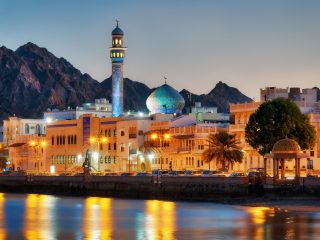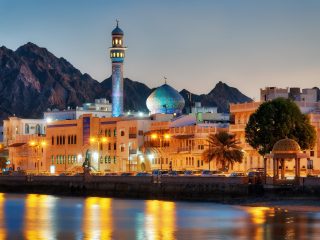
Thailand, with its stunning beaches, rich cultural heritage, and vibrant cities, is a dream destination for many travellers. Planning your first visit to this enchanting country can be both exciting and overwhelming, but with some careful preparation and consideration, you can ensure a smooth and memorable experience. Here are some essential tips to keep in mind when planning your first visit to Thailand:

img via Needpix
1. Visa Requirements:
Check the visa requirements for your nationality before travelling to Thailand. Many nationalities are eligible for visa-free entry for short stays, while others may require a visa in advance. Make sure to research the specific requirements and ensure that your passport is valid for at least six months beyond your intended date of departure.
2. Best Time to Visit:
Thailand experiences a tropical climate with three distinct seasons: hot, cool, and rainy. The best time to visit depends on your preferences and the activities you have planned. The cool season (November to February) is generally considered the most pleasant, with mild temperatures and low humidity. However, this is also the peak tourist season, so expect larger crowds and higher prices. The rainy season (June to October) brings occasional downpours, but it’s also a great time to enjoy fewer crowds and lush, green landscapes.
3. Health and Safety:
Take precautions to ensure your health and safety while travelling in Thailand. Stay hydrated by drinking bottled water and avoid consuming tap water. Protect yourself against mosquito-borne illnesses by using insect repellent and wearing long sleeves and pants, especially during the evening hours. Be cautious when swimming in open water and heed warning signs at beaches to avoid dangerous currents. Suppose you’re staying at a well known place of accommodation such as the Ascott Bonifacio Global City Manila. In that case, you can rest assured that you’ll always be provided with clean drinking water and other essentials.
4. Cultural Etiquette:
Thailand is known for its rich cultural heritage and traditions, and it’s important to show respect for local customs and etiquette. Dress modestly when visiting temples or religious sites, covering your shoulders and knees out of respect. Remove your shoes before entering someone’s home or a temple. When interacting with locals, greet them with a traditional wai (a slight bow with your palms pressed together) as a sign of respect.
5. Currency and Money Matters:
The official currency of Thailand is the Thai Baht (THB). While credit cards are widely accepted in major cities, tourist areas, and serviced apartments in Manila, it’s advisable to carry cash for smaller purchases and transactions at local markets or street vendors. ATMs are readily available throughout Thailand, but be aware of potential fees for international withdrawals.