The Gadaladeniya Rajamaha Viharaya is a Buddhist temple and monastery located in Pilimathalawa, Kandy. The temple was constructed at the behest of King Buwanekabahu IV and was designed by a South Indian architect, Ganesvarachari, and thus features a mix of Dravidian and Sinhalese architectural styles. Here are some of its structural and stylistic features that are worth admiring on your visit to this historical site.

img via flickr
Inscription and Naming
The Gadaladeniya Rajamaha Viharaya bears an interesting naming history. According to an inscription at the site, the temple’s original name was Dharmakirthi Viharaya, as a reference to the monk Silavansa Dharmakirthi Sanghanayaka who was the temple’s founder. It was later given its current name after the Gadaldeniya village in which the temple was built, just a short drive from nearby lodgings like Hotel Topaz.
The Main Shrine Room
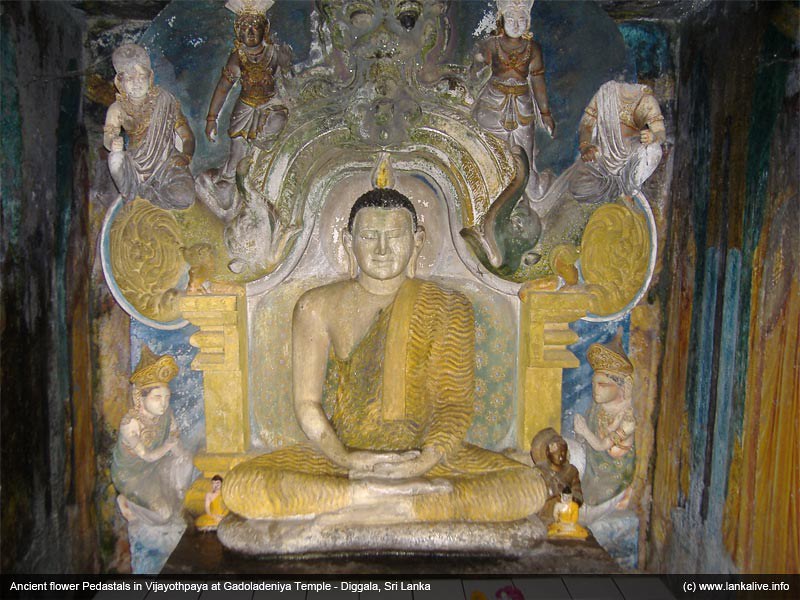
The temple’s main shrine room features a seated Buddha statue and four other standing Buddha images. The entryway to the shrine is adorned with a dragon’s arch or makara thorana which is decorated with faces and images of Hindu gods and deities such Brahma, Santhusuta, Suyama and more. This main shrine room is thus one of the main attractions for those visiting from any nearby city hotel in Kandy.
Vishnu Devale
This is another shrine of the temple which is dedicated to the Hindu god Vishnu and is next to the shrine room. Although commonly revered as a Hindu god, Vishnu is of great importance to Sri Lankan Buddhists, and based on the Mahavamsa chronicle, Vishnu was chosen to be the guardian of Sri Lanka and Buddhism.
Vijayothpaya
Additionally, the temple also features a Stupa next to the Vishnu Devale, which is made of rock and was allegedly constructed by King Parakramabahu V. It features a square-shaped roof supported by 4 pillars made of stone and is surrounded by four other identical stupas that each have their shrine rooms with Buddha statues in seated positions.
Additional Features
There are two additional structures on the grounds with the moonstone or sandakada pahana. The structures feature stone carvings of wrestlers, drummers, dancers and lotus petals. The temple also has three-sided twin pillars, a rare feature which can only be found in one other temple in Sri Lanka.