The National Museum of Ras Al Khaimah, housed within a historic fort, showcases the emirate’s continuous settlement spanning 7,000 years. Its archaeological and ethnographic collections offer an informative journey from ancient trading hub status to the modern era.
The Qawasim Dynasty and Maritime Power
The Al Qasimi (Qawasim) family dominated the Arabian Gulf as a major maritime power in the 18th and 19th centuries. The museum details their extensive trade routes and naval conflicts, including the pivotal British campaigns of 1809 and 1819, through exhibits of manuscripts and traditional weaponry.
Ancient Settlements and Archaeological Finds
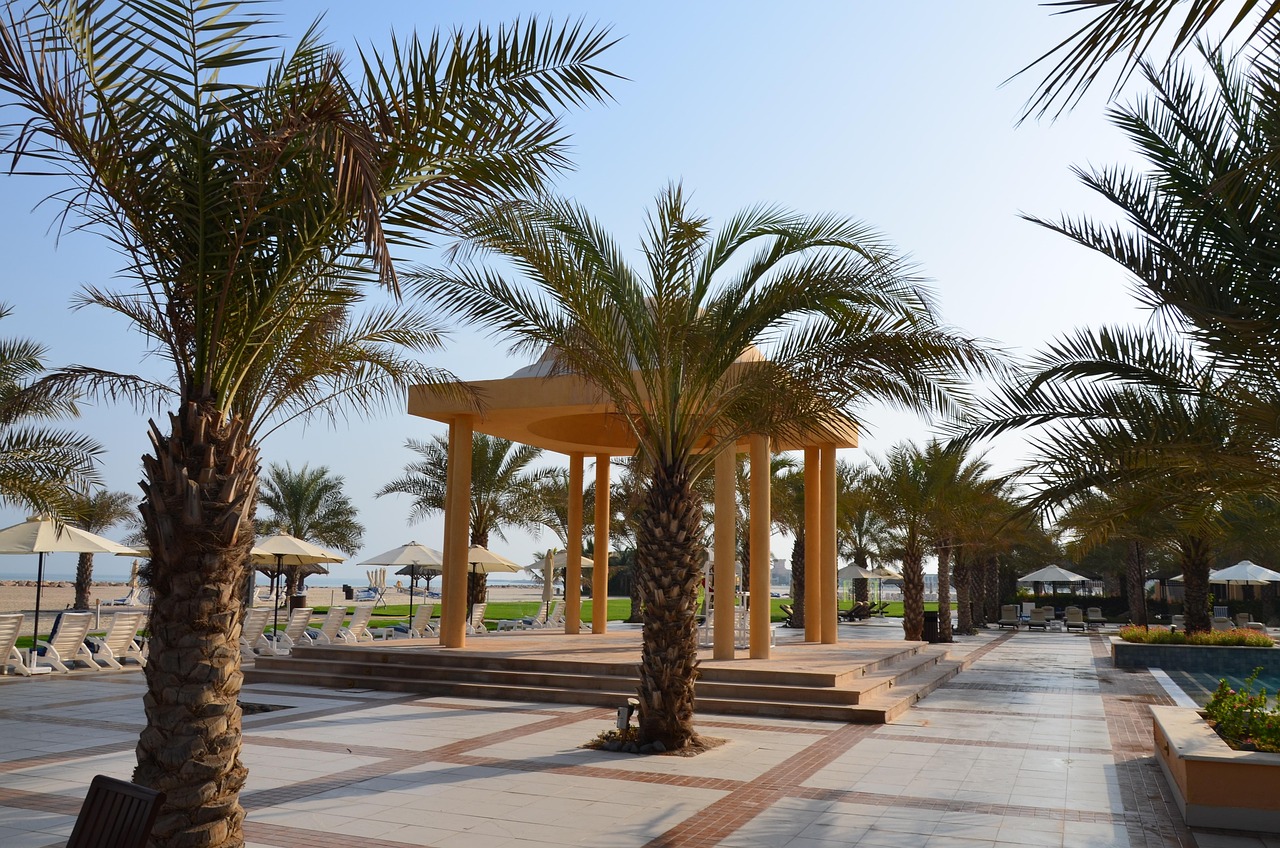
Ras Al Khaimah features over a thousand archaeological sites, including the mediaeval port of Julfar and the pre-Islamic site of Shimal. Excavations yield rich trade evidence like Chinese porcelain, ceramics, and tools, with artefacts tracing continuous settlement back to 5000 BC. Visitors staying at a comfortable Ras Al Khaimah resort, such as the distinguished Anantara Mina Al Ras Al Khaimah, can easily access this ancient history.
The Fort’s Transformation: From Defence to Heritage
The museum is housed within a historic fort, built from coral stone between 1809 and 1819. This structure served as the residence for the ruling Quwasim family until 1964, later functioning as a police headquarters and prison before its conversion into the National Museum in 1987. This journey through different eras makes the building itself a central part of Ras Al Khaimah’s story.
Traditional Life and Cultural Exhibits

The ethnographic displays offer insights into the traditional economy and daily life of the local population. Exhibitions feature the historical importance of pearling, fishing, and date agriculture, as well as showcases of traditional architecture and clothing. These artefacts highlight the resourcefulness of communities that relied on the sea and the land for survival.