
universitas
https://smkwirasaba.sch.id/steam/blog/
https://simrs.unmas.ac.id/public/css/
https://https://tilang.pn-bangko.go.id/blog/
<a href="https://icmbogor.sch.id/about/"https://icmbogor.sch.id/about/
https://tryout.temanpelajar.com/
http://smkwirasaba.sch.id/steam/img/CROT4D/
https://tilang.pn-bangko.go.id/css/SOFT/
Wilpattu National Park, in the northwestern corner of Sri Lanka, is a wildlife enthusiast’s dream. With its scenic landscapes, rich biodiversity, and abundant wildlife, it offers a truly unforgettable experience. Here’s more on what you need to know to plan your visit.
Getting There
This site is located approximately 26 km north of Puttalam and 180 km north of Colombo. The main entrance and office are at Hunuwilgama. An ideal place for wildlife enthusiasts to be based would be Kalpitiya at properties such as Dolphin Beach Resort; such accommodation providers will not only organise dolphin and whale watching tours but jeep safaris to Wilpattu which is around a 1.5-hour drive away.
A Haven for Wildlife

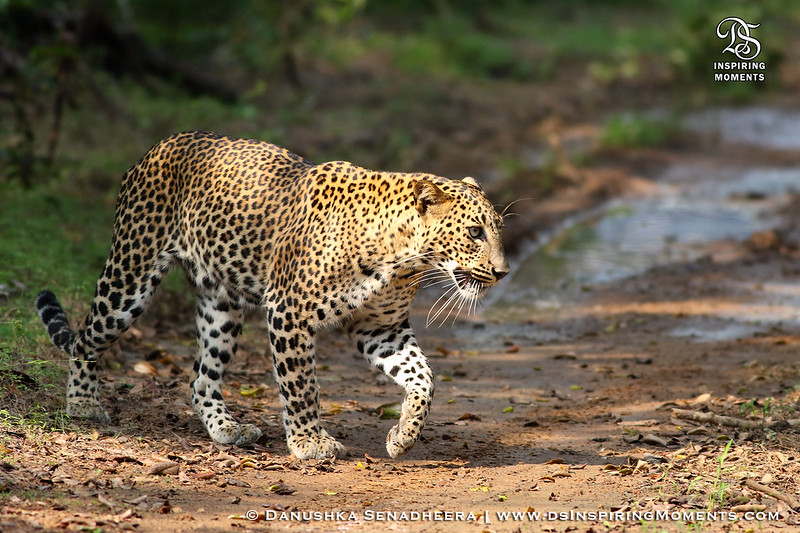
The largest national park in Sri Lanka, this sanctuary is renowned for its diverse wildlife, including the elusive leopard. Those on a Wilpattu safari can encounter other mammals too like elephants, sloth bears, spotted deer, monkeys and buffalos. The park is also a birder’s paradise, with around 200 recorded species (endemic, resident, and migratory birds), while you have a chance to spot mugger crocodiles, soft-shelled turtles, various kinds of butterflies and more!
A Mix of Landscapes
The enchanting landscapes to be found here are as varied as its wildlife. A key feature of the park is its “villus,” or natural lakes, which attract a variety of animals and birds. As you explore the park, you will also come across dry zone forests, thorny scrubs, open plains, sand dunes, wetlands, and interestingly, coastal ecosystems as well. All these contribute to the site’s unique charm.
When to Visit
While Wilpattu National Park is open year-round, the best period to visit is from February to October. It is open from 6:00 AM to 6:00 PM, but keep in mind that early mornings (6:00 AM to 10:00 AM) and late afternoons (3:00 PM to 6:00 PM) are generally ideal for safaris. Additionally, it’s always good to have an experienced guide who will know popular spots as well as more ‘hidden’ areas for wildlife sightings.