Sri Lanka’s colonial past is etched into its landscapes, from bustling coastal towns to the misty hills of the central highlands. The island’s unique blend of Portuguese, Dutch, and British influences can still be experienced today through historic forts, charming railways, and iconic tea plantations. Here are some unforgettable highlights to add to your journey.
Galle Fort: Where time stands still
Step into a world of cobbled streets, whitewashed churches, and lighthouse views at Galle Fort. This UNESCO World Heritage Site offers a living museum of Portuguese and Dutch architecture combined with a vibrant modern community. Cafés and boutiques thrive within its old ramparts.
Colombo’s colonial grandeur: A city of contrasts
Sri Lanka’s capital still boasts fine examples of British-era design, from the Old Parliament to the General Post Office. Wandering through these landmarks feels like a walk through history while the city’s bustling markets show the perfect balance of old and new.
Nuwara Eliya’s English charm: The little England of Sri Lanka
Nicknamed “Little England,” Nuwara Eliya is a treasure chest of colonial heritage. From racecourses to Tudor-style homes, it feels like a step back into Britain’s past. Araliya Green City adds a touch of modern elegance amidst the historic setting, complementing the town’s charm.
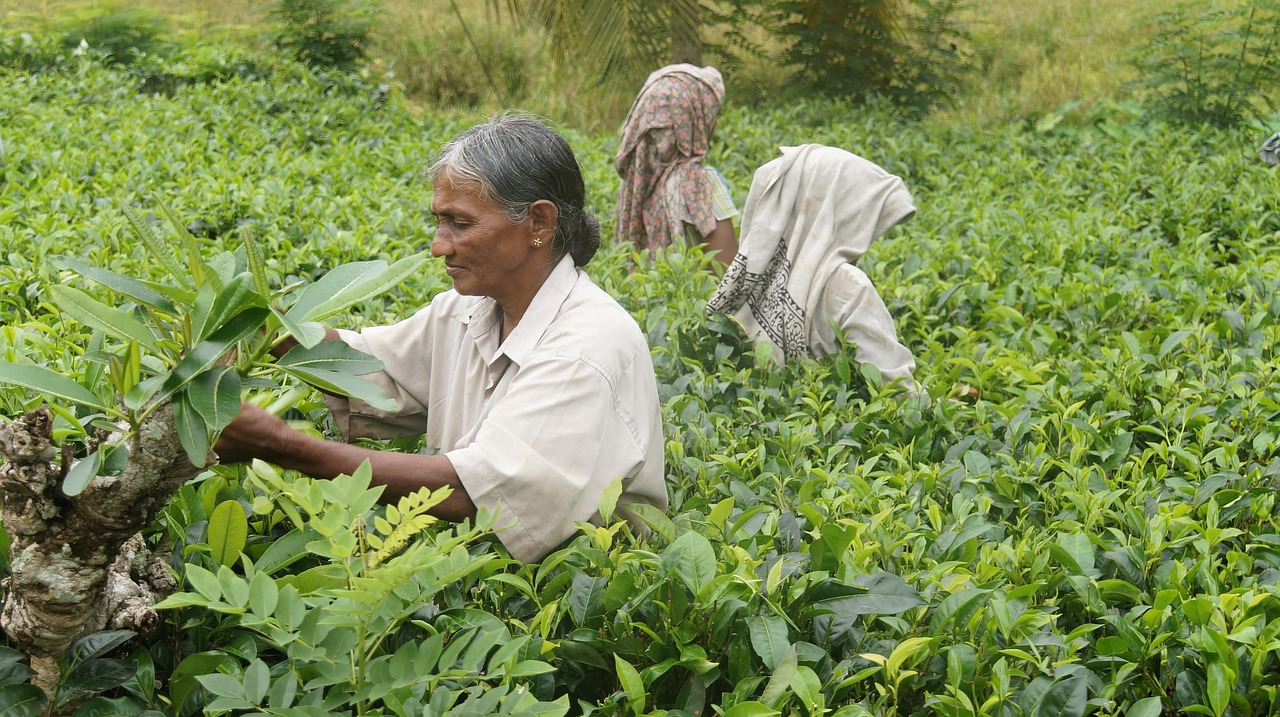
Tea plantations: Brewing a colonial legacy
The rolling hills of Sri Lanka are dotted with tea estates first planted by the British. Touring these estates offers not only beautiful scenery but also a look into the island’s enduring connection to its colonial past. They remain some of the most iconic places to see in Nuwara Eliya.
Hill country railways: Journeys through history

Boarding a train in Sri Lanka’s hill country is more than just a scenic ride. The railway, a British creation to transport tea, still runs through lush valleys and misty peaks. Passing through tunnels and old stations, it is one of the most nostalgic travel experiences.