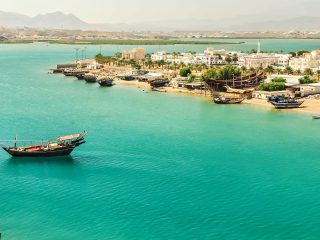
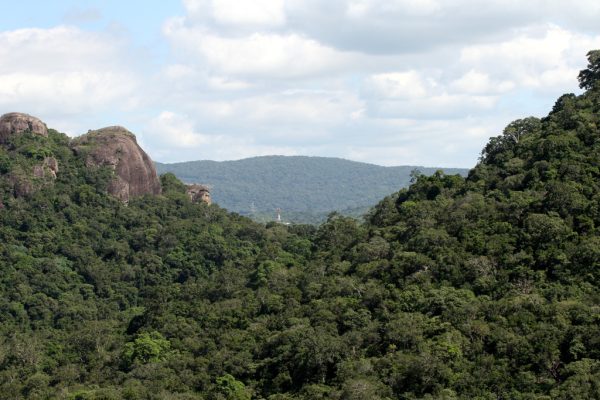
The Kaladiya Pokuna Forest in Sri Lanka is a hidden gem that seamlessly combines natural beauty with cultural significance. Nestled in the heart of the island, this tranquil forest is known for its lush greenery, serene atmosphere, and the ancient Kaladiya Pokuna pond, which carries historical and spiritual importance. The forest is a haven for biodiversity, home to a variety of flora and fauna, making it the perfect spot for nature and history enthusiasts alike. Visitors can explore the rich ecosystem, discover the remnants of Sri Lanka’s ancient civilisations, and bask in the peaceful ambience that defines this enchanting destination.

img via wikipedia commons
History Within
Kaludiya Pokuna Archaeological Forest Site, situated in Kandalama in Sri Lanka’s Dry Zone, is a remarkable testament to the island’s ancient history. The site, named after a pond that once contained dark water, dates back to the 2nd century BC and contains archaeological remnants such as inscriptions, residences, and a monastery.
Preserved Biodiversity
In addition to its historical significance, Kaludiya Pokuna serves as a flourishing ecological haven. The forest is home to a diverse array of flora and fauna, including both endemic and non-endemic species, which flourish in this well-protected environment. Despite being bordered by farmland and human settlements on three sides, the site remains undisturbed by human activity, with no signs of hunting, timber extraction, or woodcutting.
The Local Region
Nestled amidst the Knuckles Mountain Range and its foothills, known locally as Wiltshire, the district of Matale is a scenic and agriculturally rich region. The area is renowned for its cultivation of tea, rubber, spices, and vegetables, reflecting the vibrant agricultural traditions of the hill country. The Knuckles Mountain Range serves as a striking natural landmark. Within this district also lies amazing accommodations of the likes of the Heritance Kandalama, along with many other Dambulla attractions.
Geographic Notes
The climate remains cool, with areas around 1500 meters often experiencing chilly nights. The western slopes are particularly damp, with certain regions receiving nearly 7000 mm of rainfall annually. On the other hand, the eastern slopes fall within the mid-dry zone, receiving rain primarily from the North-Eastern monsoon. Temperatures vary from a pleasant 24°C in Kandy to a cooler 16°C in Nuwara Eliya, which lies at an elevation of 1,889 meters above sea level.