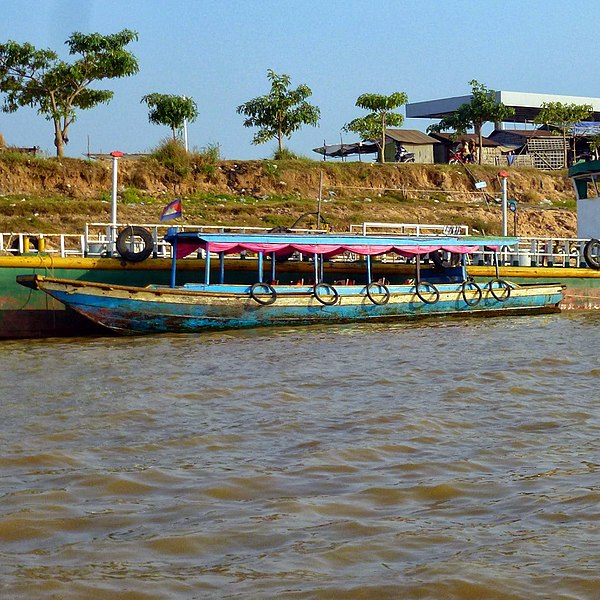
Siem Reap is a popular resort town for good reason, it’s a place of lush natural beauty, and is also historically significant since it is a gateway to the legendary Angkor region.
Background
Siem Reap translates to ‘fresh large river’, although the term ‘great lake’ is commonly used. The lake itself is over 120km in length and connects to the iconic Mekong River.

The Great Ecosystem
There are many amazing biodiversity hotspots flanking the river, and these include various kinds of forests that encompass evergreen, deciduous and forests that are a mix of both.
Wildlife
One can find an astonishing selection of wildlife around and within this lake, and these species include Siamese Crocodiles, Mekong Giant Catfish, and the Grey-Headed Fish Eagle. There are a total of 17 threatened species that are found in Tonle Sap.

Biosphere Reserve
A section of Tonle Sap has been officially classified as a UNESCO Biosphere Reserve and is definitely a place worth visiting if you find yourself vacationing at one many luxury hotels Siem Reap has to offer such as Anantara Angkor Resort. Due to protective reasons, the biosphere has been split up into three particular areas, and they function similar to a national park.
Roland Lefevre is a travel writer who specializes in creating features on leisure as well as business travel destinations across the globe. Google+