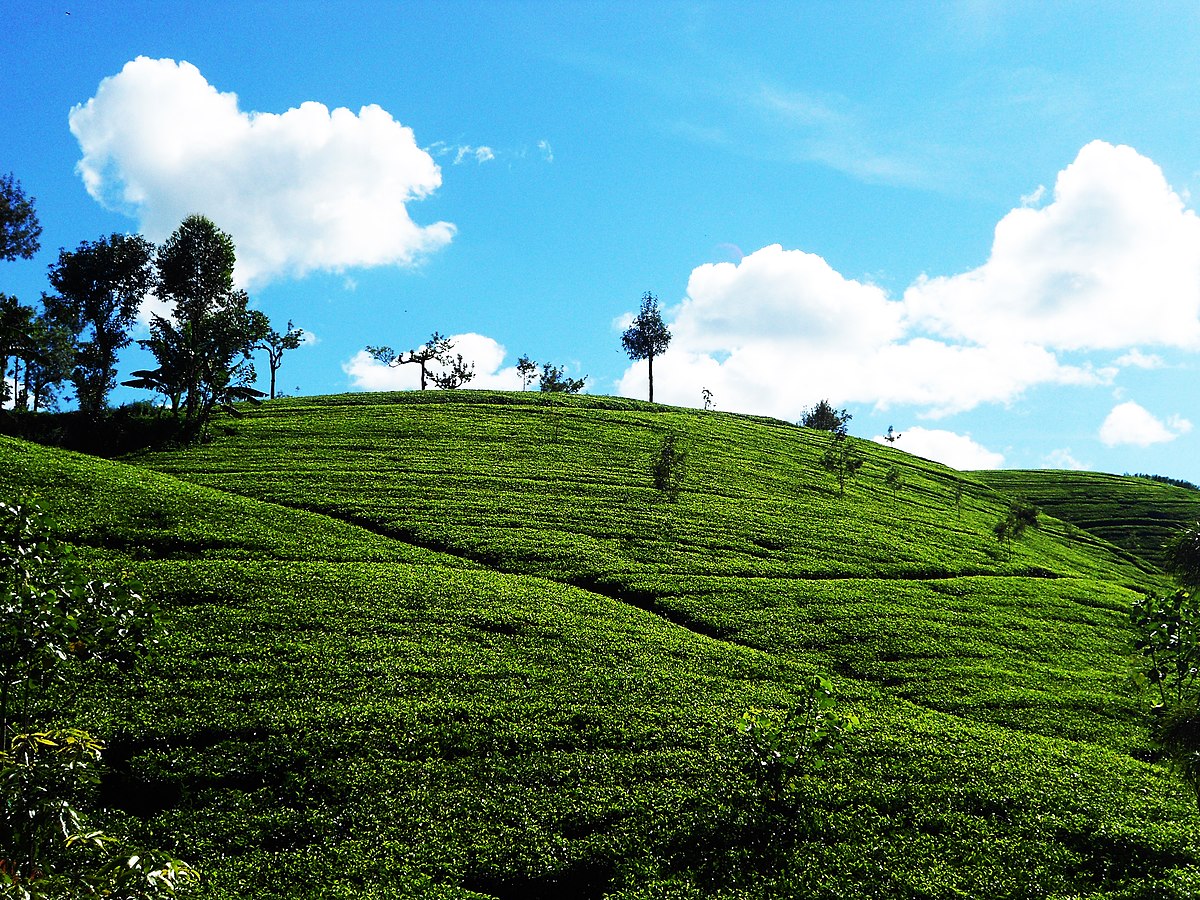
Sri Lanka’s tea, known as Ceylon Tea, is famous for its rich flavours and wide variety. The British colonialists introduced tea cultivation to the island, and it quickly became renowned among tea enthusiasts. Let’s explore the history, different tea regions, and recommended tea tours to experience the best of Ceylon Tea.
History
Tea cultivation began in Sri Lanka in 1867 when James Taylor, a Scotsman, started a 19-acre plantation at the Loolecondera Estate. The first comprehensive tea factory was established in Loolecondera in 1872. Three years later, the first shipment of Ceylon Tea reached the London tea auction, gaining popularity worldwide.
Tea tours
When you’re looking for places to visit in Ella, make sure to include visits to Halpewatte and Kinellen Tea Factory. For more recommendations, check out the likes of Travel to Ella.
Tea Regions
Ceylon Tea is grown in different elevations, each offering a unique flavour profile. The high-grown teas, like those from Nuwara Eliya, Uva, Uda Pussellawa, and Dimbula, have a fruity and floral aroma with a sweet taste. Medium-grown teas, found in Kandy at elevations between 2,000 and 4,000 feet, are robust in flavour. Low-grown teas from Ruhuna and Sabaragamuwa Provinces, at around 2,000 feet above sea level, have hints of honey, caramel, and chocolate, with rich orange and red colours.
Flavour profiles

High-grown teas have a fruity, floral, sweet aroma and taste. Kandy-grown teas are robust, while Ruhuna and Sabaragamuwa, have hints of honey, caramel, and chocolate with rich colours of orange and red.