
Malaysia, a country renowned for its cultural diversity, offers a rich tapestry of traditions, customs, and heritage. At the heart of this cultural mosaic is the traditional Malay heritage, which is deeply rooted in the history and daily life of the Malay people. Exploring this heritage provides a fascinating insight into the customs, arts, and traditions that have shaped Malaysia. Here are some key aspects of traditional Malay heritage to discover in Malaysia.
1. Kampung Villages
A visit to a traditional Malay kampung (village) offers a glimpse into the rural lifestyle that remains largely unchanged over centuries. Kampungs are characterized by wooden stilt houses, lush greenery, and a strong sense of community. Visitors can experience the warm hospitality of the villagers, participate in traditional activities such as batik painting or kite flying, and enjoy home-cooked Malay meals. Notable kampungs to visit include Kampung Baru in Kuala Lumpur and Kampung Morten in Malacca.
2. Malay Traditional Houses
Traditional Malay houses are architectural marvels that reflect the ingenuity and craftsmanship of the Malay people. Built on stilts, these houses are designed to stay cool in the tropical climate and to withstand floods. The intricate wood carvings and the open, airy layouts are characteristic features. The Rumah Penghulu Abu Seman in Kuala Lumpur and the Terengganu Traditional House in Terengganu are excellent examples of these historical homes.

3. Malay Cuisine
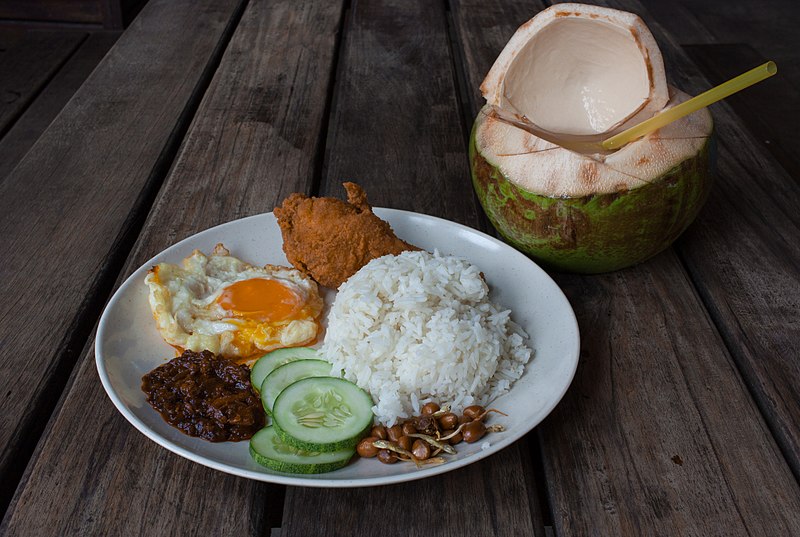
Malay cuisine is a feast for the senses, known for its rich flavours and aromatic spices. Traditional dishes such as nasi lemak (rice cooked in coconut milk served with sambal, anchovies, peanuts, and boiled egg), rendang (spicy meat stew), and satay (skewered and grilled meat served with peanut sauce) are must-tries. Food markets and hawker stalls, such as those found in Penang and Kuala Lumpur, are perfect places to sample these culinary delights.
4. Traditional Attire
The traditional attire of the Malay people is both elegant and symbolic. For men, the baju melayu, a loose-fitting shirt paired with trousers and a samping (cloth worn around the waist), is the traditional dress. Women typically wear the baju kurung, a long-sleeved blouse and skirt, or the baju kebaya, a more fitted blouse with a sarong. During festivals and special occasions, these traditional garments are often adorned with intricate embroidery and beadwork.
5. Malay Performing Arts
Malay performing arts are an integral part of the cultural heritage. Traditional music, such as gamelan and angklung, and dance forms like zapin and mak yong, are performed during cultural festivals and celebrations. The shadow puppet theatre, known as wayang kulit, is another traditional art form that tells ancient stories through intricately crafted puppets and is accompanied by music and narration. The Istana Budaya in Kuala Lumpur frequently hosts performances showcasing these traditional arts. Exploring these intricate aspects of Malaysian culture is one of the best things to do in Sepang, and other cities with popular hotels such as Avani Sepang Goldcoast Resort.







.jpg)