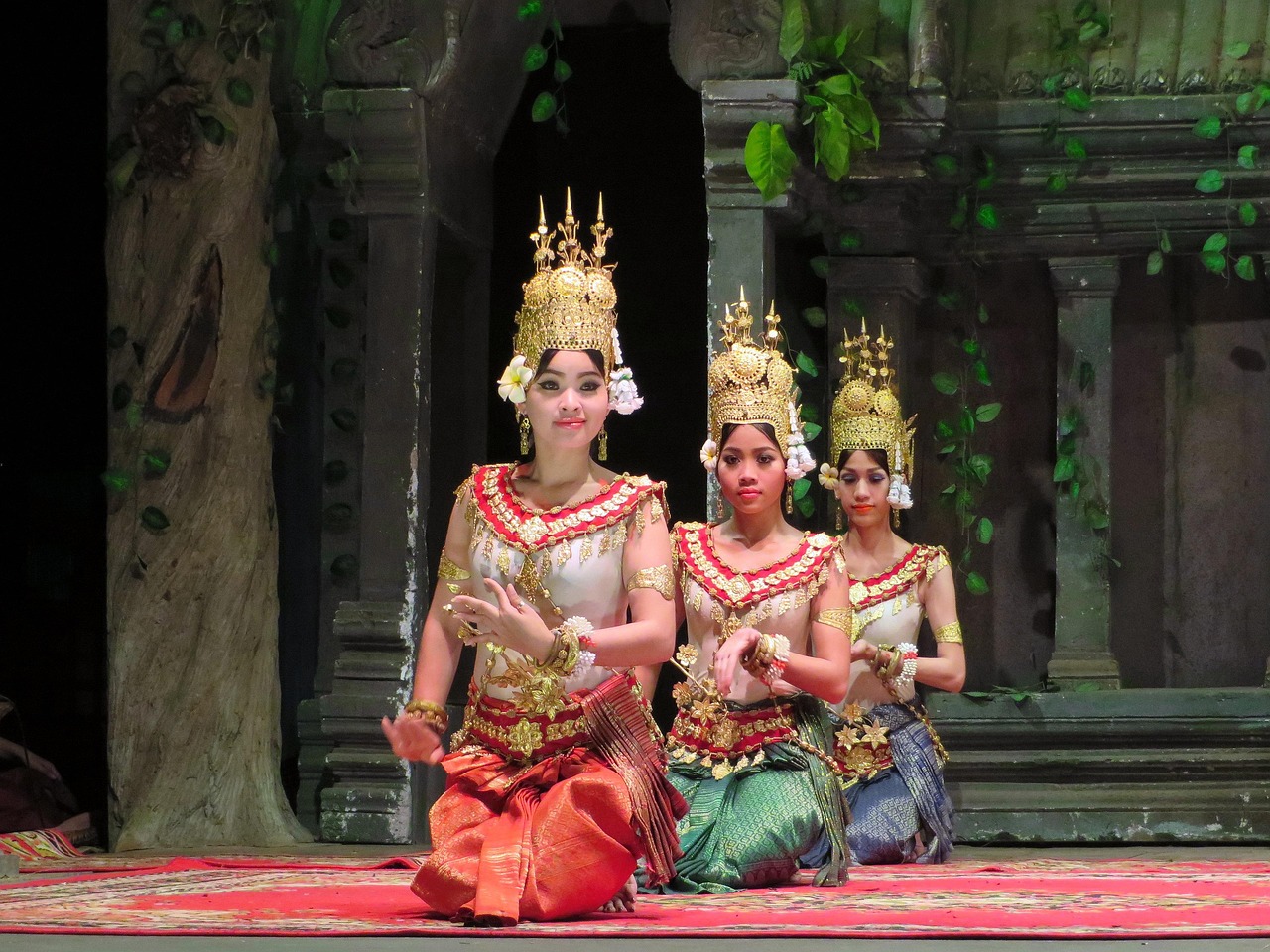
The Angkor Archaeological Site in Cambodia stands as one of the most remarkable legacies of the ancient Khmer Empire, showcasing a vast complex of temples, reservoirs, and monuments that reflect both spiritual devotion and architectural mastery. Spanning over 400 square kilometres, the site is centred around the iconic Angkor Wat, the world’s largest religious monument
A monumental legacy
The sprawling complex in Cambodia’s Siem Reap province includes majestic temple-mountains like the iconic Angkor Wat—a 12th-century masterpiece dedicated to the Hindu god Vishnu. Its elaborate bas-reliefs narrate Cambodian myths, history, and religious stories.
Ancient architecture
Far more than stone, Angkor is defined by its vast hydraulic infrastructure—an intricate network of canals, reservoirs, and dikes, including the impressive West Baray (approximately 8 km long and 2.4 km wide). This engineering marvel not only sustained around 750,000 inhabitants and irrigated rice fields (essential for wealth and survival) but also mirrored sacred Hindu cosmology.
Understanding History
While Angkor’s decline remains shrouded in mystery, theories cite environmental stress—like stalled monsoons and deforestation—that may have disrupted its water systems, undermining the city’s viability and shifting power toward Phnom Penh. After centuries, the site received renewed pilgrimage and tourism attention.

Visiting Today
Today, Angkor draws nearly one million visitors annually. Its proximity to Siem Reap makes it accessible via road, boat, or regional flights. While tour buses serve popular circuits, more adventurous travellers can explore lesser-known temples by motorcycle or guided vehicle, making Siem Reap attractions easily accessible to those staying in accommodations of the like of FCC Angkor by Avani.