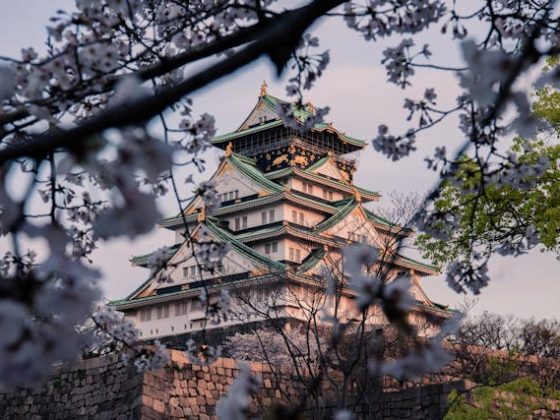
The Kandy National Museum, nestled within the historic city of Kandy, offers a fascinating journey into Sri Lanka’s rich cultural heritage. Housed in a former royal palace building, this museum showcases a vast collection of artefacts from the Kandyan period, including ancient weapons, jewellery, and ceremonial costumes.

img via flickr
Halls at the Kandy National Museum
The Kandy National Museum is divided into a series of 8 halls, each showcasing a different aspect of Sinhalese history – one of the most popular Kandy things to do. While exploring, make sure to find accommodation at places like Hotel Topaz before looking at the other parts of Kandy.
Hall 1 & 2: Royal Ornaments and Dresses
These two halls showcase the traditional attire of Kandyan royalty, including clothing, jewellery, personal weapons, and accessories. Visitors can explore the luxurious outfits and ornaments worn by prominent figures such as Keppetipola Adigar, as well as ceremonial costumes and necklaces worn by Kandyan aristocrats. The displays provide insight into the opulent lifestyle of the Kandyan elite.
Hall 4: Kitchen and Culinary Tools
This hall presents a wide range of kitchen utensils and culinary tools used during the Kandyan period. Items on display include ceramic and pottery pieces, coconut shell-made tools, knives, plates, goblets, and cooking vessels. The exhibit also provides detailed information on the materials and production methods, offering a deeper understanding of Kandyan culinary culture and craftsmanship.
Hall 5 & 6: Weapons and Industries
These halls combine an exploration of military history and Kandyan industries. The Weapons Gallery features swords, daggers, axes, and cannons, emphasizing the role of warfare and ceremonial use. In Hall 6, Kandyan industries such as woodwork, metalwork, pottery, and lacquer are highlighted, with tools on display, including ropes for noosing elephants and royal litters (‘Dola’). Together, they showcase the military strength and craftsmanship of the era.
Hall 7 & 8: Artifacts, Sculptures, and Coins
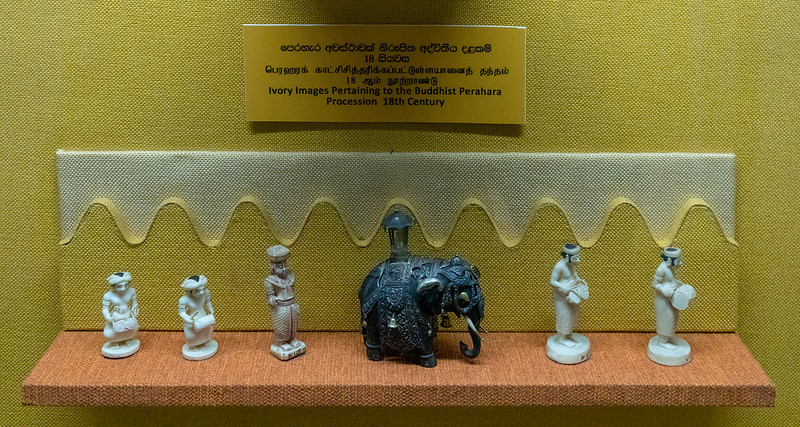
Hall 7 focuses on artistic and spiritual relics, displaying intricately carved ivory artifacts, Buddha statues, and sculptures that reflect the craftsmanship of the Kandyan period. Hall 8 delves into ‘Pethikada’—wooden planks painted with scenes from folklore and daily life—as well as a comprehensive collection of coins that trace Sri Lanka’s economic history, from the Anuradhapura Kingdom to the British colonial period. These halls celebrate both the artistic and economic heritage of the Kandyan era.